Mobile gaming is a huge part of modern entertainment, offering relaxation and social connection for millions of US gamers who juggle jobs, family, and life. But nothing ruins a great gaming session faster than an overheating phone. Whether you're diving into the latest social RPG, challenging friends in a quick esports match, or exploring a vast open-world title, a hot device means throttled performance, frustrating lag, and even long-term damage to your beloved smartphone. This comprehensive guide is designed for the average gamer, around 36 years old, who values a smooth, enjoyable experience without breaking the bank or dedicating hours to complex tech setups. We'll explore practical, budget-friendly strategies on how to keep phone cool while gaming, ensuring your device stays optimized and your gameplay remains fluid. Discover expert tips and tricks that address common pain points, from basic settings adjustments to smart accessory choices, all aimed at enhancing your mobile gaming life and protecting your investment. Get ready to game longer and stronger without the heat.
How can I stop my phone from overheating when playing games?
To stop your phone from overheating during gaming, first optimize in-game graphics settings by lowering resolution and visual effects. Next, ensure your phone's operating system and game apps are updated. Remove your phone case to improve heat dissipation. Game in a cool, well-ventilated area, avoiding direct sunlight. Close unnecessary background apps and disable notifications. Consider using an external cooling fan or a phone cooler for demanding titles. Avoid charging your phone while actively gaming, as this generates additional heat.
What are the best phone coolers for gaming?
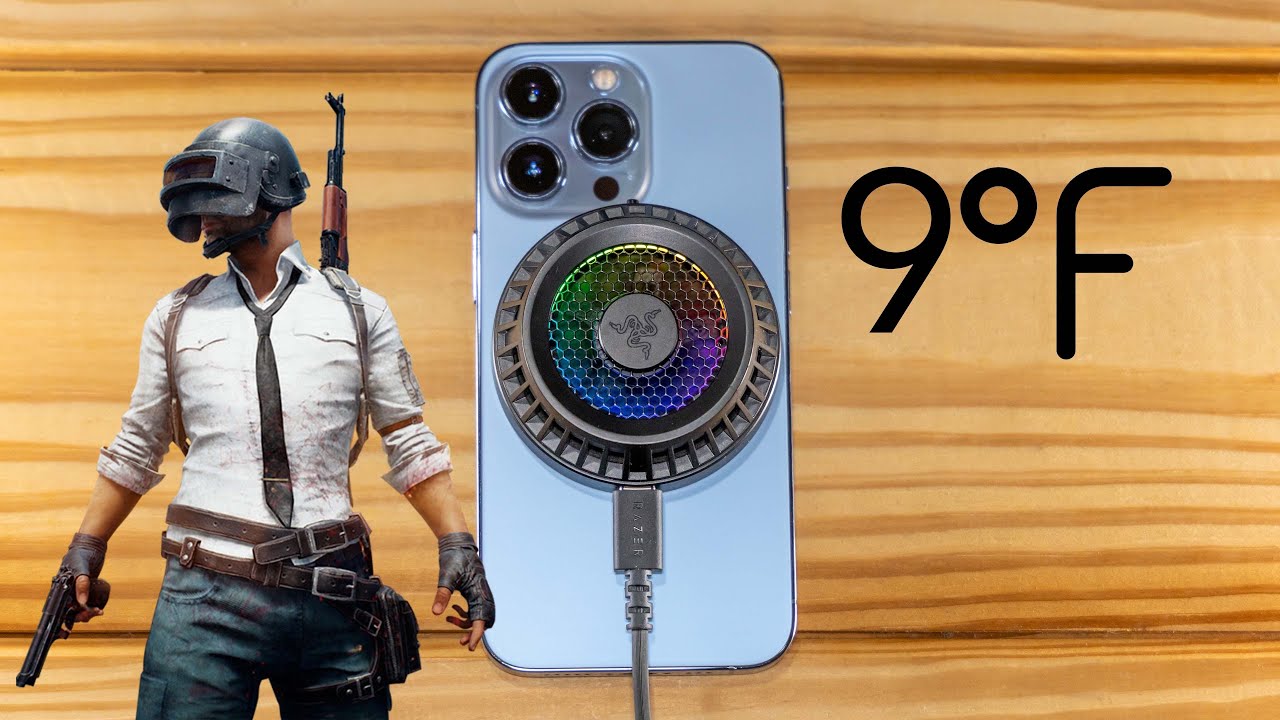
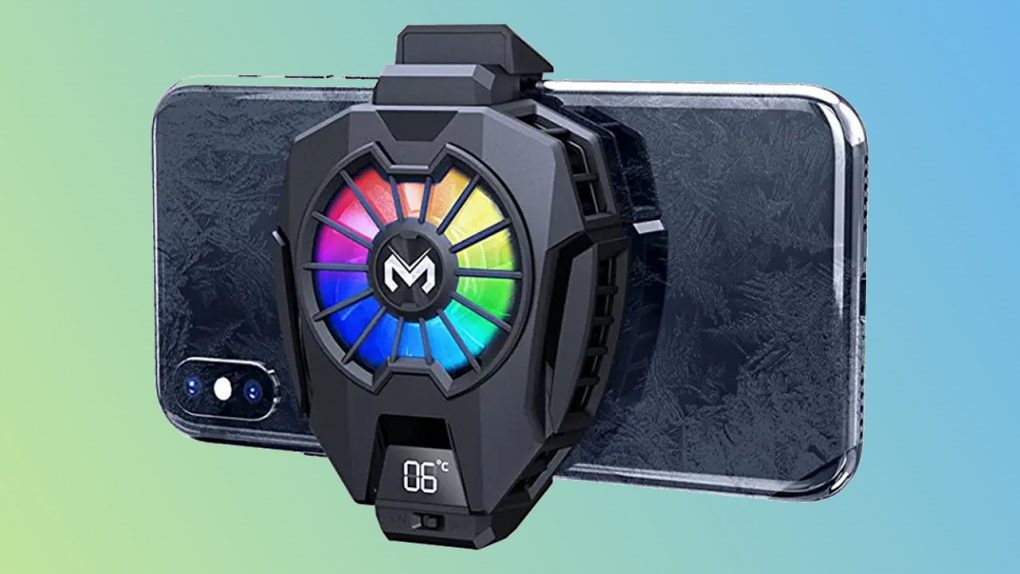
The best phone coolers for gaming typically fall into two categories: active cooling fans and thermoelectric (Peltier) coolers. Active cooling fans like those from Razer or Black Shark clip onto your phone and circulate air, while Peltier coolers use a cold plate to actively draw heat away, often achieving lower temperatures. Brands like Black Shark FunCooler, Razer Phone Cooler Chroma, and various magnetic or clip-on models from reputable accessory makers are highly rated for their effectiveness in sustained gaming sessions. Choose based on your budget and desired cooling power.
Does reducing graphics help keep my phone cool while gaming?
Yes, significantly. Reducing in-game graphics settings like resolution, texture quality, shadow details, and anti-aliasing directly lowers the workload on your phone's CPU and GPU. Less computational effort means less heat generation. This is one of the most effective software-based methods to prevent overheating and maintain stable frame rates, especially for visually demanding games. Prioritizing performance over ultra-high fidelity graphics will result in a cooler and smoother gaming experience.
Why does my iPhone get hot when I play mobile games?
Your iPhone gets hot while playing mobile games for the same reasons any smartphone does: intense CPU and GPU activity. Modern iOS games push the A-series chip to its limits, generating significant heat. Factors like high screen brightness, continuous network activity (Wi-Fi/5G), and an unventilated environment (especially with a case on) exacerbate this. iPhones, known for their powerful processors in compact designs, can reach high temperatures quickly during sustained, graphically intensive gameplay, leading to thermal throttling to protect components.
Can overheating damage my phone permanently?
Yes, prolonged and frequent overheating can cause permanent damage to your phone. It can accelerate battery degradation, leading to reduced capacity and shorter lifespan. Excessive heat can also stress internal components like the motherboard, processor, and display, potentially causing malfunctions, reduced performance, or even complete hardware failure over time. While modern phones have safety shutdowns, consistent overheating is detrimental to your device's overall health and longevity.
Is it better to game with Wi-Fi or mobile data to keep phone cool?
It is generally better to game with Wi-Fi to keep your phone cooler than using mobile data. Wi-Fi connections are typically more power-efficient, especially when compared to cellular data (3G, 4G, 5G), which requires the phone's modem to work harder to maintain a signal. This increased effort translates directly into more power consumption and, consequently, more heat generation. A stable Wi-Fi connection reduces this strain, contributing to a cooler gaming experience.
How often should I give my phone a break during gaming to cool down?
It's advisable to give your phone a break every 30-45 minutes during intensive gaming sessions, or sooner if you feel it getting noticeably warm. Even a 5-10 minute pause can allow your phone's internal components to cool down naturally and dissipate accumulated heat. This prevents reaching critical temperatures that trigger thermal throttling, ensuring sustained performance and prolonging your phone's overall lifespan. Taking short breaks is a simple yet effective habit for optimal heat management.
Hey fellow gamers! Ever been in the middle of an intense raid, about to clutch a win, or simply trying to relax with your favorite mobile title, only for your phone to start feeling like a mini-furnace? You're not alone. For many of us, especially those juggling jobs, family, and life's demands (average age around 36, sound familiar?), mobile gaming is a precious escape. We crave that smooth, uninterrupted experience, whether it's building skills, connecting with friends on Discord, or just unwinding. But a hot phone can quickly turn that fun into frustration, leading to lag, stuttering, and even long-term damage to your device. According to recent US gaming stats, a whopping 87% of gamers play regularly, often dedicating 10+ hours a week, with mobile gaming continuing its significant dominance in engagement. Keeping your device cool isn't just about comfort; it's about performance optimization, extending your phone's lifespan, and getting the most value for your money. This guide is your trusted friend, here to share practical, no-hype advice on how to keep phone cool while gaming, ensuring your sessions are always epic, not overheated.
We understand the pain points: setup issues, performance drops when you least expect them, and trying to stay current without spending a fortune on new hardware. This article is packed with actionable tips and well-researched solutions tailored for real gamers like you. Let's dive in and transform your mobile gaming experience from scorching to super cool!
Why Does My Phone Get So Hot When I'm Gaming?
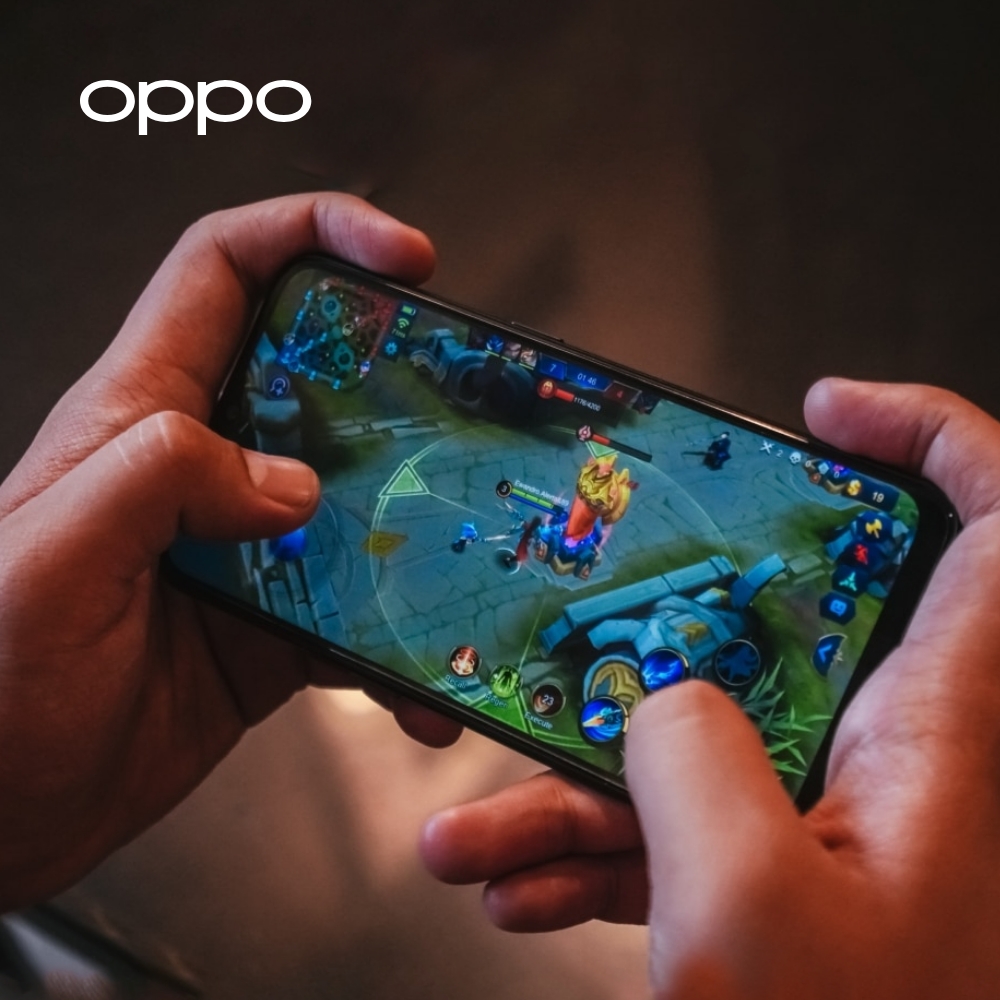
Your phone heats up during gaming primarily due to intense processor and graphics chip activity. Modern mobile games demand significant computational power, pushing your phone's CPU and GPU to their limits, which naturally generates heat. Additionally, the screen's brightness and continuous network activity (Wi-Fi or cellular data) further contribute to temperature spikes. This combined strain, often within a compact device without active cooling systems like fans, causes the internal temperature to rise rapidly. It's the equivalent of a mini-computer working overtime in a very small space.
Think of it like this: your phone is a tiny powerhouse. When you're running a graphically intensive game, especially one with high frame rates or complex textures, the central processing unit (CPU) and graphics processing unit (GPU) are working overtime. This intense computation generates thermal energy. Combine that with a bright screen, constant data transfer for online multiplayer, and the battery discharging at a faster rate, and you've got a recipe for heat. Devices are designed to dissipate some of this heat, but their compact size and lack of active cooling (like the fans in a PC or console) mean they can only do so much. When the internal temperature gets too high, the phone's system automatically kicks in thermal throttling, reducing performance to prevent damage. This is why your game starts to lag or stutter, making that critical shot or spell cast impossible.
What Are the Immediate Steps to Cool Down an Overheating Phone?
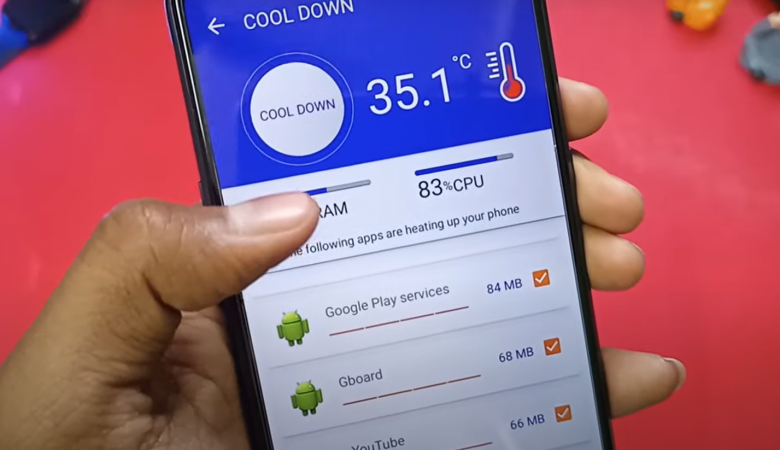
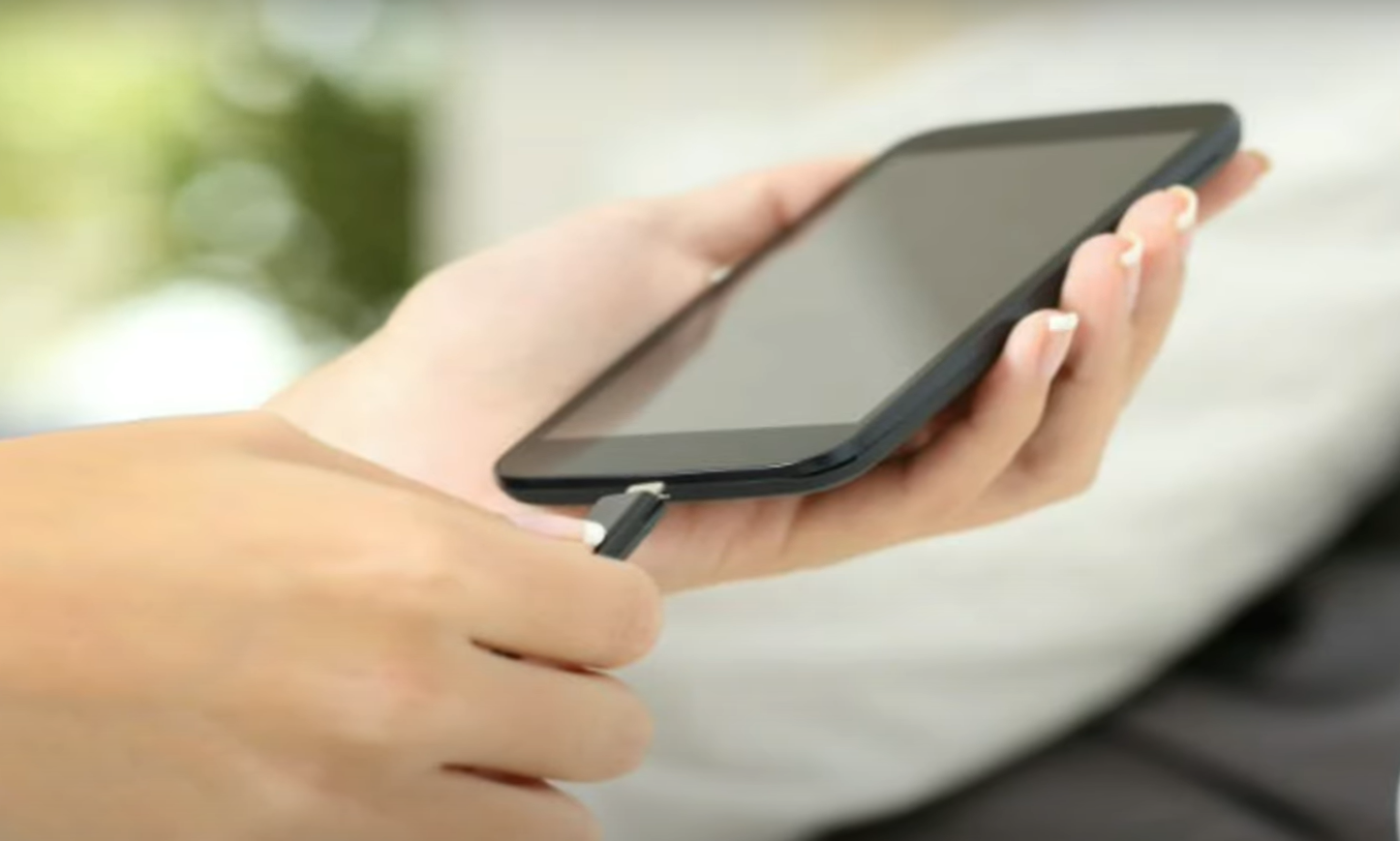
If your phone is already scorching hot, act fast. First, immediately close the game and any other demanding applications. This stops the primary source of heat generation. Next, remove any phone case, as it traps heat. If possible, turn off Wi-Fi or mobile data if you're not actively using it, and consider enabling Airplane Mode for a few minutes. Move your phone to a cooler environment, ideally on a flat, cool surface like a ceramic tile or a desk not directly exposed to sunlight. Avoid placing it in a refrigerator or freezer, as rapid temperature changes can cause condensation and damage.
When your phone starts feeling uncomfortable to hold, it's time for an emergency cool-down. Shutting down the game is paramount, as it immediately reduces the workload on the processor and GPU. Think of it as letting your phone catch its breath. The phone case, while protective, acts as an insulator, trapping the very heat you're trying to dissipate. Taking it off allows for better airflow. Dimming the screen or turning off unnecessary connectivity options like Bluetooth, GPS, and cellular data (if you can game offline) also reduces the energy consumption that contributes to heat. Placing it on a cool, solid surface helps draw heat away from the device through conduction. Remember, the goal is gradual cooling, not a shock, so extreme measures like refrigeration are a big no-no for your device's health.
How Can I Optimize My Phone's Settings for Cooler Gaming?
Optimizing phone settings is one of the most effective and free ways to keep phone cool while gaming. Start by reducing screen brightness; a brighter screen consumes more power and generates heat. Lower the in-game graphics settings, such as resolution, texture quality, and anti-aliasing. Disable unnecessary background apps and notifications, which consume resources even when not actively used. Enable your phone's built-in 'Game Mode' or performance optimization tools, if available, as they often manage resources better for gaming. Also, ensure your operating system and game apps are updated, as updates often include performance and efficiency improvements.
- Lower Screen Brightness: A brightly lit screen is a major power drain and heat generator. Reduce it to a comfortable level.
- Adjust In-Game Graphics: Most modern games allow you to tweak settings like resolution, frame rate, shadows, and texture quality. Experiment with medium or even low settings. The visual impact might be minimal, but the heat reduction will be significant. Many gamers prioritize smooth 60fps gameplay over ultra-high fidelity, especially when balancing work and life commitments.
- Close Background Apps: Before launching your game, swipe away all non-essential applications running in the background. They silently consume RAM and CPU cycles, contributing to heat.
- Disable Notifications: Constant pings and pop-ups don't just distract; they wake up your phone's processor. Turn off notifications for non-gaming apps while playing.
- Enable Game Mode: Many Android phones and even iOS have dedicated 'Game Mode' features. These modes often optimize CPU/GPU performance, silence notifications, and manage power consumption specifically for gaming.
- Keep Software Updated: Developers frequently release updates that improve game performance and optimize resource usage, which can indirectly lead to less heat generation. The same applies to your phone's operating system.
Are External Cooling Accessories Worth It for Mobile Gaming?
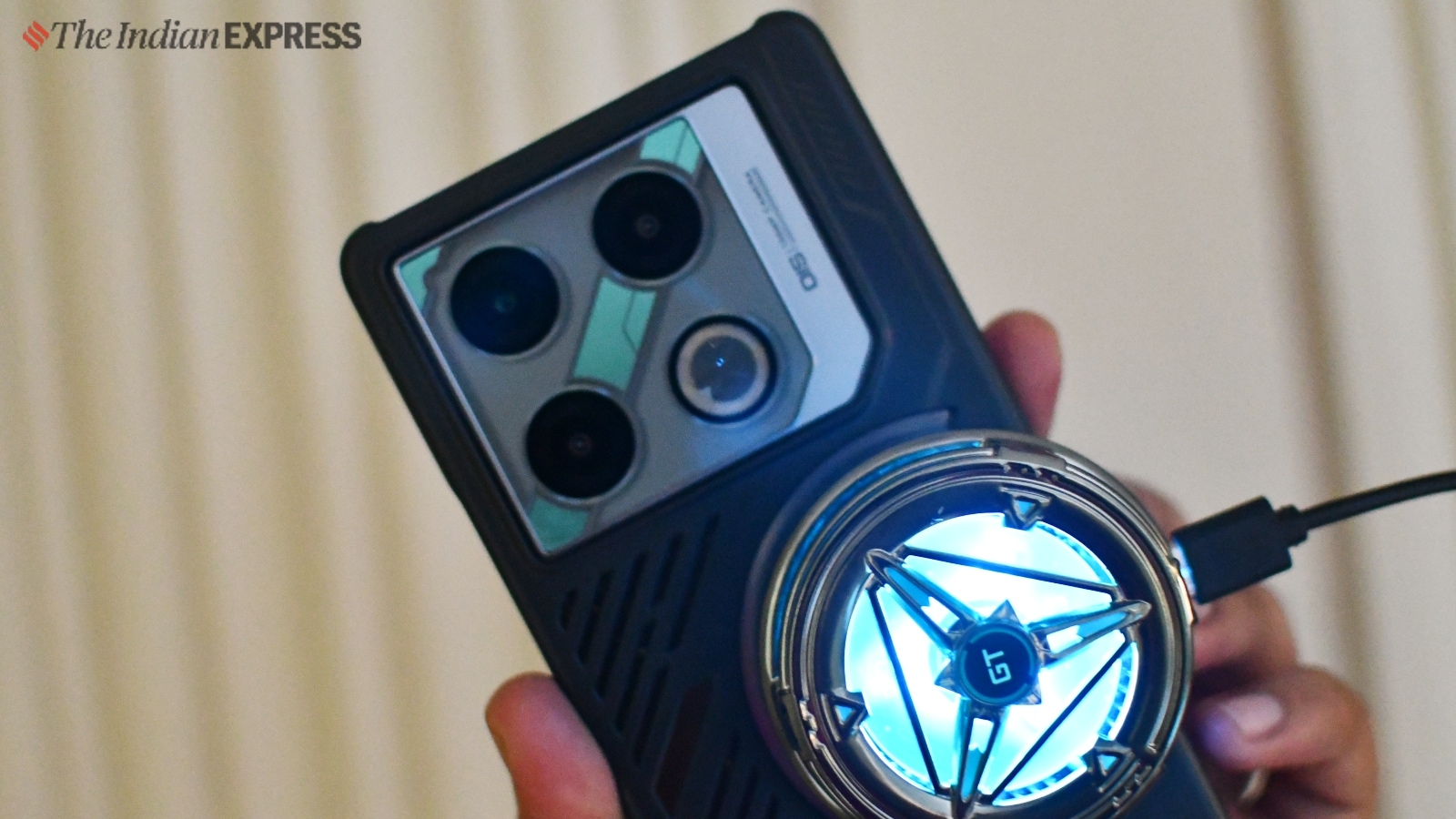
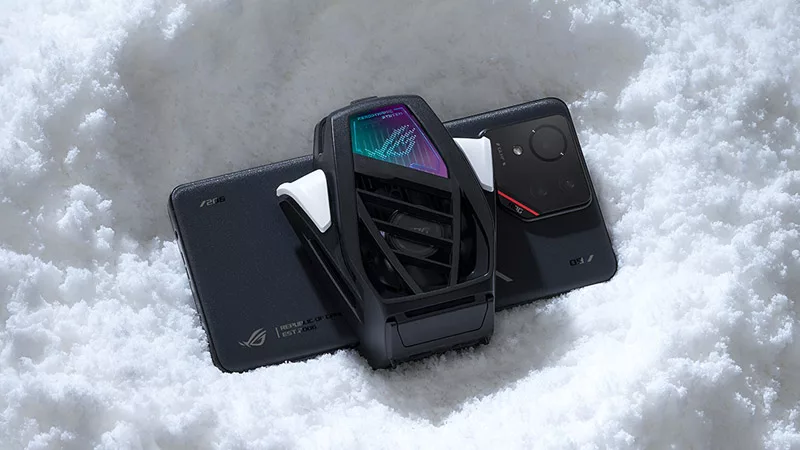
Absolutely, external cooling accessories can be a game-changer for serious mobile gamers, especially those playing demanding titles for extended periods. Devices like clip-on fans or thermoelectric coolers (Peltier coolers) actively dissipate heat from your phone, preventing thermal throttling and maintaining peak performance. While not essential for casual play, for competitive gamers or those who stream, these accessories provide a noticeable difference in sustained frame rates and device comfort. They're a smart investment for extending your phone's hardware lifespan and enhancing your overall gaming experience.
For many adult gamers, investing in hardware means getting value for money. External coolers are often budget-friendly and offer a tangible benefit. Peltier coolers, for instance, actively chill a specific area of your phone using a cold plate, pulling heat away more efficiently than passive methods. Clip-on fans circulate air, aiding in convection. Choosing the right one depends on your budget and how often you experience overheating. For those who frequently participate in social gaming sessions or enjoy titles known for pushing hardware, a cooler can mean the difference between winning and lagging out. With the rise of mobile esports and high-fidelity titles, these accessories are becoming increasingly popular for maintaining consistent performance, a critical factor when balancing gaming with a busy life.
Does My Gaming Environment Affect My Phone's Temperature?
Yes, your gaming environment significantly impacts your phone's temperature. Playing in a hot room, under direct sunlight, or near other heat sources (like a charging laptop or heater) will accelerate your phone's overheating. A cool, well-ventilated area is ideal. Avoid placing your phone on soft surfaces like beds or couches, as these block the phone's natural heat dissipation points and trap heat. Using a stand that elevates your phone can also improve airflow around the device, promoting better cooling. Even the simple act of taking a break in a cooler spot can make a difference.
Just as you'd feel sluggish in a stuffy room, your phone struggles in a warm environment. Direct sunlight is particularly problematic, as it adds external heat to the internal heat your phone is already generating. Consider where you game: are you next to a sunny window? Is your air conditioning struggling? Soft surfaces like blankets, pillows, or even your lap can block the small vents or contact points your phone uses to release heat. A hard, cool surface like a table or a dedicated phone stand allows for much better convection and radiation of heat. For gamers who enjoy playing on the go, perhaps during a lunch break or while commuting, finding a shaded or air-conditioned spot can be just as effective as any accessory. Simple environmental tweaks are often overlooked but are incredibly impactful for how to keep phone cool while gaming.
How Do I Balance Graphics and Performance to Prevent Overheating?
Balancing graphics and performance is a crucial skill for preventing phone overheating without sacrificing too much visual fidelity. The key is to find the 'sweet spot' in your game's settings. Start by lowering demanding options like shadow quality, anti-aliasing, and render distance. Often, reducing the resolution scale slightly can make a huge difference in heat generation with minimal visual impact on a smaller screen. Prioritize a stable frame rate over ultra-high graphics; a consistent 30fps or 60fps is far more enjoyable than a fluctuating, laggy experience. Experiment with individual settings one by one to understand their impact on both visuals and temperature.
This is where your gamer instincts come into play. Most modern mobile games offer a wealth of graphical options. While it's tempting to crank everything to 'Ultra,' your phone often pays the price in heat and performance. For example, shadows are notoriously resource-intensive. Reducing them from 'High' to 'Medium' or 'Low' might save significant processing power and heat, and you might barely notice the difference on a phone screen, especially during fast-paced action. Similarly, complex lighting effects and reflections can be dialed back. The goal is to maintain a smooth gameplay experience that allows you to focus on the fun and skill-building, rather than on frame drops. For many, a consistent 60 frames per second is the gold standard for competitive play, and achieving that often means making smart compromises on visual bells and whistles. Remember, your phone is a tool for fun and relaxation; don't make it work harder than it needs to.
What Long-Term Habits Can Help Prevent My Phone from Overheating?
Adopting long-term habits is vital for sustained phone health and preventing overheating. Regularly clear your phone's cache and uninstall unused apps to free up storage and reduce background processes. Avoid charging your phone while gaming, especially with fast chargers, as both activities generate significant heat independently. Ensure your phone's battery health is good; an aging battery can become less efficient and generate more heat. Giving your phone breaks between long gaming sessions allows it to cool down naturally. Also, keep your phone's software updated, as manufacturers often release thermal management improvements. These habits contribute to overall phone longevity and stable performance.
Think of these as preventative maintenance for your gaming rig. Regularly decluttering your phone isn't just about freeing up space; it reduces the number of background processes that can unexpectedly spring to life and tax your CPU. Charging and gaming simultaneously is a double whammy for heat generation. If you need to charge, take a break from gaming. Monitoring your battery health, typically found in your phone's settings, is also crucial. An older battery works harder, heats up more, and holds less charge, impacting your gaming sessions and potentially adding to heat. Just like you need a break after a long work week, your phone needs time to rest and cool down. Even a 10-15 minute break can significantly impact its thermal state. These small, consistent actions are invaluable for keeping phone cool while gaming over the long haul, saving you money and frustration.
When Should I Consider Upgrading My Phone for Better Gaming Performance and Heat Management?
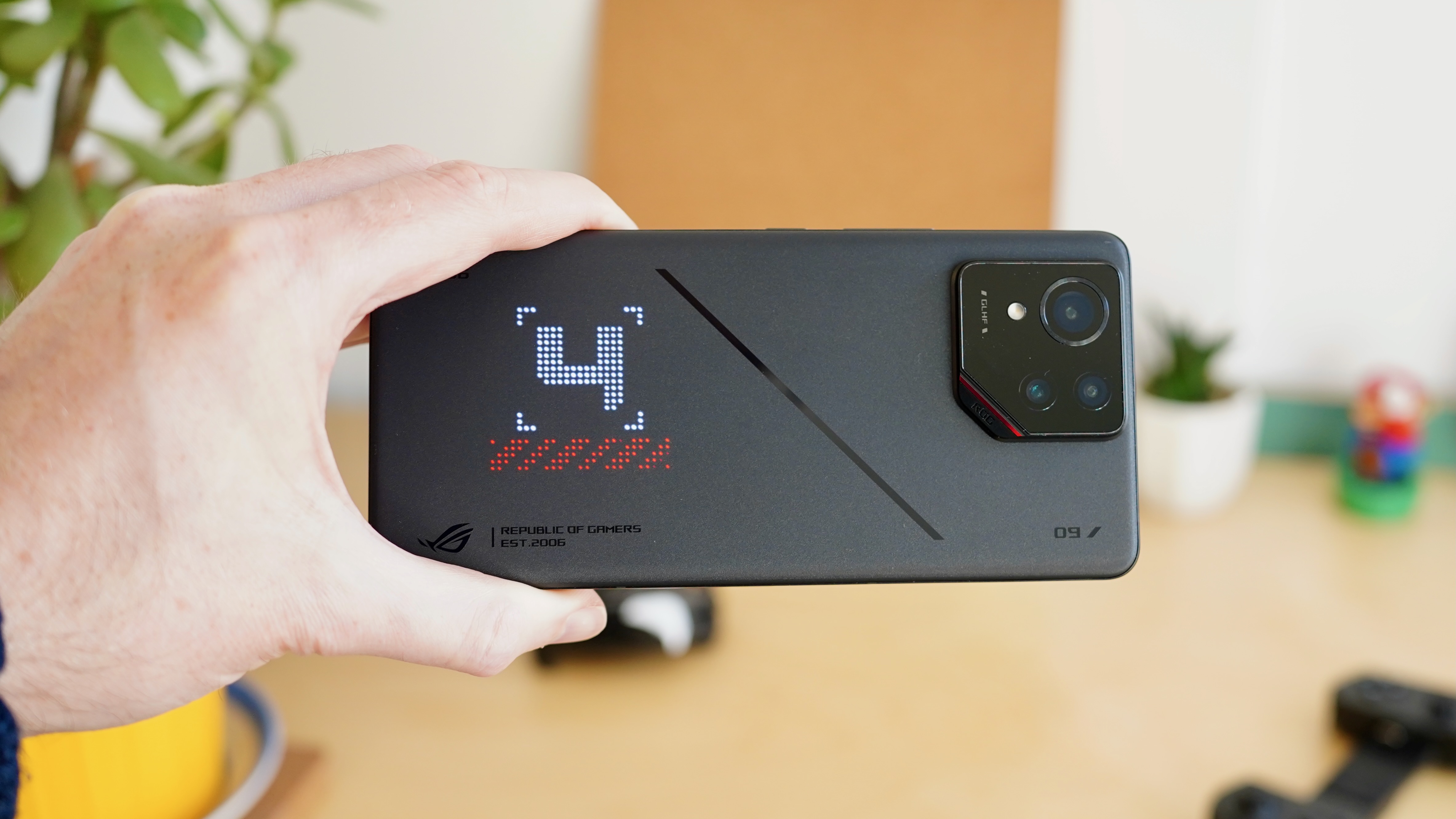
Consider upgrading your phone for better gaming when you consistently experience severe overheating, frequent thermal throttling leading to unplayable lag, or if your current device can no longer run newer games at acceptable settings. For gamers who prioritize performance and seek value for money, a new phone typically offers improved processors, more efficient cooling designs, and better battery life. This is especially relevant if your phone is 3-4 years old or more, as mobile technology advances rapidly. Look for phones specifically marketed with gaming features or robust cooling solutions. Upgrading can significantly enhance your experience, particularly if you're into social play with friends or trying out the latest trending titles.
For many gamers balancing life and budget, an upgrade isn't a casual decision. However, if you're finding yourself constantly frustrated by your phone's inability to handle current titles, even with optimized settings and external coolers, it might be time. A good indicator is if popular free-to-play or social games, which are usually optimized for a wide range of devices, are running poorly. Newer phones from this month's releases often boast next-gen chipsets designed for better power efficiency and superior thermal management, directly addressing the overheating issue. They also come with improved displays and longer-lasting batteries, enhancing your overall gaming and daily experience. Before committing, research reviews focusing on sustained gaming performance and heat output. Remember, it's about making a smart investment that aligns with your gaming habits and financial reality, ensuring you can enjoy your favorite games without constant worry about your device's temperature.
***
FAQ Section
Here are some quick answers to common questions about keeping your phone cool while gaming.
Is it bad to game on a hot phone?
Yes, prolonged gaming on a hot phone can lead to reduced performance (thermal throttling), shorten your phone's battery lifespan, and potentially cause long-term damage to internal components. It's best to keep your phone's temperature in check.
Do phone cases make phones hotter during gaming?
Generally, yes. Most phone cases act as insulators, trapping heat generated by the phone. Removing your case during intensive gaming sessions can help with heat dissipation. Thin, breathable cases are better than thick, bulky ones.
Can a phone explode from overheating while gaming?
While extremely rare, severe overheating can lead to battery swelling or, in very extreme cases, combustion. Modern phones have safety mechanisms to shut down before this happens, but it's always best to prevent excessive heat.
Does Wi-Fi or mobile data affect phone temperature?
Yes, both Wi-Fi and mobile data radios consume power and generate heat, especially during continuous online gaming. Using Wi-Fi is generally more power-efficient than mobile data, thus generating less heat.
Should I use a charging cable or wireless charging while gaming?
Avoid both if possible while gaming. Both charging methods generate heat, and combining charging with intensive gaming significantly increases your phone's temperature. If you must charge, wired charging is generally more efficient and generates slightly less heat than wireless, but both should be avoided during heavy gaming.
What is thermal throttling in phones?
Thermal throttling is a protective mechanism where your phone automatically reduces its CPU and GPU performance when it detects excessive heat. This lowers power consumption and heat generation to prevent damage, but results in noticeable lag and frame rate drops during gaming.
Are there certain games that make my phone hotter than others?
Yes, graphically intensive games with high-fidelity visuals, complex physics, large open worlds, or demanding online multiplayer components tend to push your phone's hardware harder, generating more heat. Newer titles and those not well-optimized are often culprits.
***
There you have it, fellow gamers! Keeping your phone cool while gaming doesn't require a degree in engineering or an endless budget. It's about smart habits, understanding your device, and making a few strategic tweaks. From optimizing your settings and choosing the right environment to considering external accessories and practicing good phone maintenance, you now have a comprehensive toolkit to ensure your mobile gaming sessions are smooth, enjoyable, and free from the dreaded overheating monster. Remember, for the average US gamer balancing life's demands, gaming is a source of relaxation and connection. Don't let a hot phone ruin that experience. By implementing these tips, you'll not only enhance your current gameplay but also extend the life of your device, getting more value for your investment. Happy gaming, and stay cool out there!
What's your biggest gaming challenge when it comes to phone performance? Comment below and let's keep the conversation going!
Optimize phone settings for cooler gaming. Utilize external cooling accessories effectively. Improve your gaming environment. Manage in-game graphics for better heat. Practice good phone maintenance habits. Consider timely hardware upgrades.
35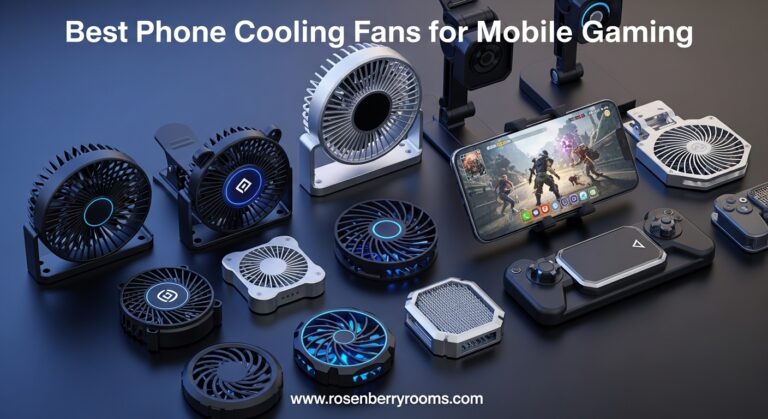

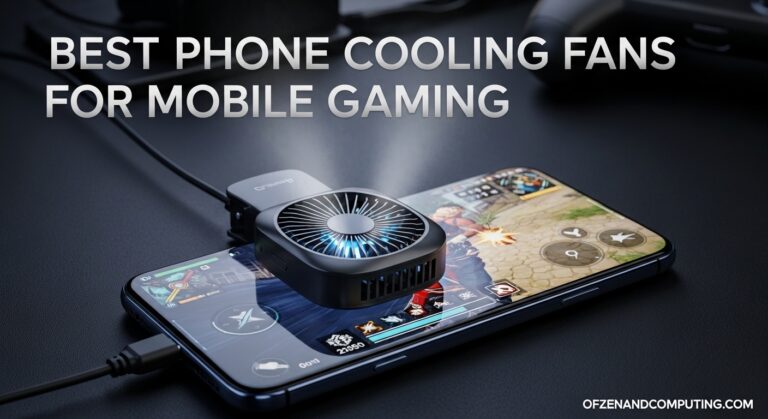
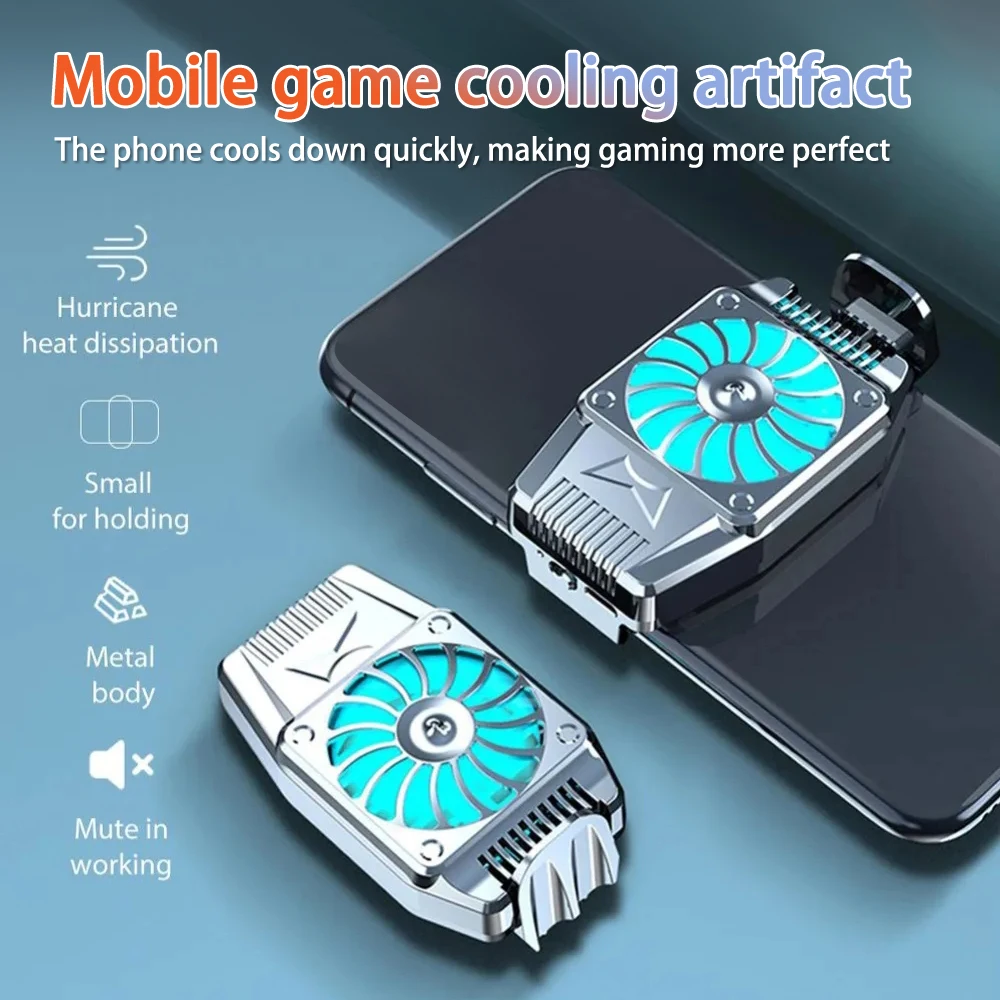
10 Best Phone Cooling Fans For Mobile Gaming May 2026 Expert Reviews Best Phone Cooling Fans For Mobile Gaming 768x419 . How To Keep Phone Cool While Gaming GamingProfy How To Keep Phone Cool While Gaming . Truth About Phone Coolers Do They Really Cool Your Phone During Gaming . 10 Best Phone Cooling Fans For Mobile Gaming April 2026 Expert Guide Best Phone Cooling Fans For Mobile Gaming 768x419 . Store Home Products Feedback Universal Mini Mobile Phone Cooling Fan Radiator Turbo Hurricane Game Cooler Cell Phone Cool Heat Sink .webp


Best Gaming Phone Cooler Ultimate Cooling Test YouTube . Best Phone Cooler For Gaming 2026 YouTube . 7 Best Phone Cooler For Gaming 2026 Mobile Cooler You Need To Use . 13 Best Mobile Coolers For Gaming In 2025 Tested By Experts. Stop Phone Overheating While Gaming 5 Ways To Chill Out Untitled Design 24 768x416


What Is Steam Gaming A Guide To Getting Started How To Keep Phone Cool While Gaming 535 1 768x576 . Top 5 Best Phone Cooler For Gaming On 2023 YouTube . How To Keep Your Phone Cool While Gaming YouTube . Best Phone Cooler For Gaming Best Budget Phone Cooler For IPhone In . How To Keep Your Phone Cool While Playing PUBG Mobile PUBG Mobile Lag


Infinix GT 20 Pro Review A Gaming Phone With Unique Cooling Solution Infinix Gt 20 Pro Review9 . How To Keep Phone Cool While Gaming GamingProfy How To Keep Phone Cool While Gaming5 780x450 . How To Fix Overheating Problem In Any Phone How To Keep Your Phone . Best Phone Cooler For Gaming 2026 YouTube . How To Keep Phone Cool While Gaming How To Keep Phone Cool While Gaming 1000x1000




10 Simple Ways To Keep Your Gaming Smartphone Cool Vivo Blog Vivo Gaming Smartphone Cooling Tech 1024x565 . Best Gaming Phones With Cooling Systems In Malaysia 2026 Complete Guide Best Gaming Phones With Cooling. Beat The Heat Effective Strategies And Tools To Keep Your Phone Cool Lanre 60 1536x865 . The Best Gaming Phones For 2026 The Best Gaming Phones For 2025 Hacr . How To Keep Phone Cool While Gaming GamingProfy How To Keep Phone Cool While Gaming3
I M Going To Miss New ASUS Phones In 2026 For This One Reason Android . Best Gaming Phones In 2026 Top Picks For Every Budget Image. How To Keep Phone Cool While Gaming GamingProfy How To Keep Phone Cool While Gaming2 . 10 Best Gaming Phones In 2026 10 Best Gaming Phones 2026 Main . How To Keep Phone Cool While Gaming GamingProfy How To Keep Phone Cool While Gaming 1024x606
Keep Your Phone Cool While Gaming Hace Software Phone Cool While Gaming.webp. Top 5 Gaming Mobile Phones In 2026 Best Phones For Gamers Top 5 Gaming Phones 768x432 . 5 Best Phone Coolers For Gaming Attack Of The Fanboy Neveika Mobile Phone Radiator 1020x574 . How To Keep Phone Cool While Gaming GamingProfy How To Keep Phone Cool While Gaming4 . Cooling Solutions For Gaming Phones A Deep Dive Into ROG S Thermal Mastery