Are you a dedicated Factorio enthusiast struggling to maintain order and efficiency in your growing multiplayer factory? Many gamers, especially busy adults who balance their passion with jobs and families, find that managing collaborators on expansive bases can quickly become a logistical nightmare. This comprehensive guide on Factorio access control scalability provides crucial navigational and informational insights. It addresses the common pain points of shared factory management, offering practical solutions to prevent griefing, streamline teamwork, and ensure your hard-earned progress is protected. Discover how to implement robust permission systems that evolve with your factory, whether you are running a cozy co-op or a massive public server. We dive into essential strategies, from basic in-game settings to advanced modding techniques, empowering you to optimize performance and foster a truly collaborative environment. Learn to secure your production lines, manage player roles effectively, and scale your access controls to handle any factory size, ensuring a smooth, enjoyable, and secure Factorio experience for everyone involved. This article is trending for good reason: it saves you time and frustration, letting you focus on what truly matters: expanding your magnificent factory.
What is Factorio Access Control Scalability?
Factorio Access Control Scalability refers to the ability of a server or game host to effectively manage and adjust player permissions and roles as a factory grows in complexity and the number of players increases. It ensures that as your base expands from a small starter design to a sprawling megabase with many collaborators, the system for granting or restricting access to resources, machines, and areas remains efficient, secure, and doesn't become a bottleneck for production or teamwork. This concept is vital for preventing griefing, maintaining factory integrity, and facilitating smooth, large-scale multiplayer cooperation, ensuring that everyone contributes constructively without inadvertently disrupting critical operations.
How do you set up player permissions in Factorio?
Setting up player permissions in Factorio is done through the in-game administrative tools, primarily accessible via the `/permissions` command in the chat. As the server host, you can open a GUI that allows you to view connected players and assign them to predefined roles like 'player,' 'moderator,' or 'administrator.' More powerfully, you can create custom permission groups, enabling or disabling specific actions such as building, mining, interacting with chests, or placing blueprints. Once custom groups are defined, you can assign individual players to them, providing granular control over their actions. This modular approach allows for tailored access management as your factory evolves.
Why is managing access important for large Factorio maps?
Managing access is critically important for large Factorio maps because without it, the sheer complexity and interconnectedness of a mega-base become highly vulnerable to disruption, whether accidental or intentional. A single misplaced blueprint or a deleted power pole can cascade into massive production halts. Robust access control ensures that only authorized players can modify critical infrastructure, access sensitive inventories, or operate high-value components. This prevents griefing, safeguards the immense time investment, and allows for efficient division of labor among a large team, ensuring the factory operates as a well-oiled machine rather than a chaotic free-for-all.
Are there mod solutions for advanced Factorio access control?
Yes, while vanilla Factorio offers a solid foundation, several community-developed mods enhance access control for more advanced needs, especially on very large or public servers. Mods like 'Permission Manager' or 'Role-Based Permissions' often provide more user-friendly interfaces, expanded sets of configurable actions, and the ability to define area-specific permissions (e.g., restricting building in a specific zone). These mods can be invaluable for server administrators seeking highly customized security policies, enabling nuanced control over player actions beyond what the default game provides. Always verify mod compatibility and community reviews before integrating them into an ongoing save.
What are common challenges with Factorio multiplayer permissions?
Common challenges with Factorio multiplayer permissions include balancing necessary restrictions with player freedom, managing the administrative overhead on large servers, and preventing new players from inadvertently causing damage. Overly strict permissions can frustrate creative players, while too lax can lead to chaos. Tracking who needs what access as roles change can be time-consuming. Additionally, server performance can impact the responsiveness of permission changes, and unexpected player actions (even unintentional ones) always pose a risk. Clear communication of rules and a tiered permission system help mitigate many of these issues, creating a smoother collaborative experience.
How can hosts prevent griefing using Factorio access controls?
Hosts can prevent griefing in Factorio primarily by leveraging the game's permission system to restrict destructive or disruptive actions. This involves setting default permissions to prevent players from deconstructing vital infrastructure, accessing sensitive inventories, or placing unwanted blueprints. Assigning new players to a limited "guest" or "builder" role, and only upgrading permissions after trust is established, is a key strategy. Regularly monitoring player activity through server logs and using features like rollbacks (if available through mods or server backups) provide additional layers of security. Clear communication of rules and expectations also plays a significant role in fostering a cooperative environment and deterring malicious behavior.
Does Factorio support role-based access control out of the box?
Factorio supports a form of role-based access control out of the box, allowing server hosts to assign players to predefined permission groups such as 'player,' 'moderator,' or 'administrator.' Each role comes with a default set of enabled or disabled actions, like building, mining, or interacting with chests. Hosts can also create custom permission groups and tailor the specific actions available to each, then assign players to these custom groups. While not as sophisticated as enterprise-level RBAC systems, this native functionality provides a robust foundation for managing player interactions and ensuring controlled collaboration on multiplayer servers, making it effective for most community and private game sessions.
Ah, Factorio! That glorious, factory-building behemoth that devours hours faster than a fully-beaconed furnace consumes iron plates. For many of us, the joy of building the perfect automated empire is only magnified when we share the experience with friends. After all, what’s better than one engineer optimizing production? A whole team of them! Yet, as any veteran gamer will tell you, the bigger your factory grows, and the more engineers join your ranks, the more complex things get. Balancing your gaming passion with life’s demands, like your job or family, means every minute in Factorio counts. The last thing you need is a meticulously planned production line messed up by an accidental click or, worse, a deliberate act of griefing.
This is where Factorio access control scalability comes into play, a topic becoming increasingly vital as social gaming trends continue to dominate. Did you know that around 87% of US gamers play regularly, often dedicating 10+ hours a week, with a significant portion engaging in social and co-op experiences? For these dedicated players, especially those in the average age bracket of 36, efficiency, fun, and security are paramount. This guide is your trusted friend in the world of Factorio, offering practical, no-nonsense advice to ensure your collaborative factory remains a marvel of engineering, not a chaotic mess. We'll dive deep into how to implement robust permissions that scale with your factory, protecting your hard work and optimizing your multiplayer fun.
What Exactly is Factorio Access Control Scalability?
Factorio access control scalability refers to your ability to manage who can do what within your shared factory, and how effectively this system adapts as your base expands and more players join. Think of it like a company hierarchy for your factory: not everyone needs keys to the nuclear power plant, right? It's about having the tools and strategies to grant or restrict specific actions—like building, mining, interacting with chests, or using specific blueprints—in a way that remains efficient and secure, whether you have two friends or twenty contributors on a mega-base.
A scalable system means you can easily adjust permissions without constant micromanagement, ensuring that new players can contribute productively while critical infrastructure remains protected. It's about designing a framework that grows with your factory, preventing administrative headaches and fostering a cooperative environment where everyone knows their role and can operate without fear of disrupting delicate production chains.
Why is Scalable Access Control Crucial for Large Factorio Bases?
For any ambitious Factorio player building a sprawling mega-base, especially with multiple collaborators, scalable access control isn't just a convenience; it's a necessity. Imagine spending dozens of hours perfecting a low-density structure production line, only for a new player to accidentally deconstruct a key inserter or reroute a critical fluid pipe. These incidents, whether accidental or intentional, can halt production, waste valuable resources, and cause immense frustration, especially for gamers who have limited time to play.
Moreover, robust access control prevents griefing, which is a real concern on public or larger private servers. It allows you to designate areas for specific tasks, ensuring that only authorized personnel can touch sensitive areas like your main bus, train networks, or nuclear reactors. This level of control promotes efficient division of labor, reduces conflicts, and ultimately saves countless hours of troubleshooting and rebuilding, letting you enjoy the game's strategic depth rather than getting bogged down in administrative tasks.
How Do I Implement Basic Access Controls in Factorio?
Factorio provides excellent built-in tools for basic access control, accessible via console commands or the in-game /permissions menu. Here's a breakdown of how to get started:
Server Host is Key: As the server host, you inherently have full control. You are the ultimate administrator.
Accessing the Permissions Menu: Press `/` to open the chat window, then type `/permissions` and press enter. This opens a GUI where you can manage players and their roles.
Default Roles: Factorio comes with predefined roles like 'player,' 'moderator,' and 'administrator.' You can assign these roles to anyone currently connected to your server. Each role has a default set of actions they can perform.
Custom Permission Groups: This is where the real power lies. Within the /permissions GUI, you can create custom groups. For each group, you can meticulously enable or disable specific actions:
Building/Deconstructing: Restrict placement or removal of buildings.
Mining: Control whether players can mine resources.
Item Interaction: Limit access to chests, furnaces, or assemblers.
Blueprint Placement: Prevent accidental or malicious placement of blueprints.
Vehicle Usage: Control who can drive trains or cars.
Assigning Custom Groups: Once you've created a custom group (e.g., 'Logistics Team' or 'Power Plant Technicians'), you can assign individual players to that group. This allows for highly granular control over who does what.
Start simple, perhaps with a 'Guest' group that has very limited building rights, and then expand permissions as players prove trustworthy and understand your factory's layout.
What are Advanced Strategies for Managing Player Permissions?
Once you've mastered the basics, consider these advanced strategies to truly scale your Factorio access control:
Tiered Permissions: Implement a system where new players start with minimal permissions (e.g., 'Builder-Safe Zone'). As they gain trust and demonstrate understanding, graduate them to higher tiers like 'Main Bus Contributor' or 'Research Specialist,' each with progressively more access and responsibility.
Zone-Based Permissions (with Mods): While vanilla Factorio doesn't natively support geo-fenced permissions, certain mods (like 'Permission Manager' or 'Area Permissions') allow you to define specific zones on your map where different rules apply. This is incredibly useful for protecting critical areas like your main smelting arrays or train intersections.
Dedicated Task Groups: For massive projects, create specific permission groups for specialized tasks. For example, a 'Train Network Builder' group might have permission to place rails and signals but not interact with production machines, while a 'Resource Gatherer' might only have mining and basic storage access.
Regular Audits: Periodically review your player list and their assigned permissions. Players might leave, or their roles within the factory might change. Keeping permissions up-to-date is crucial for ongoing security.
Clear Communication: Beyond technical controls, always communicate your factory's rules and permission structure clearly. A well-informed team is less likely to cause accidental issues.
How Can I Prevent Griefing and Sabotage in a Shared Factory?
Griefing can be devastating to a Factorio factory, undoing hours of meticulous work. While prevention is key, here’s how to minimize risk:
Start Strict: Assume new players are unknown. Assign them to a highly restrictive permission group initially, allowing them to only build in designated 'sandbox' areas or contribute to basic resource gathering.
Grant Access Gradually: Only upgrade permissions as trust is established. Observe how players interact with the factory and their adherence to stated rules.
Log Everything: Utilize server logs. While vanilla logs can be basic, some server setups or mods offer more detailed logging of player actions, allowing you to trace who did what and when. This is invaluable for identifying and addressing sabotage.
Frequent Backups: This is your ultimate safety net. Regularly back up your Factorio save file (daily, or even more frequently for highly active servers). If significant damage occurs, you can roll back to a previous, undamaged state. This is a common practice for many US gamers who understand that digital progress can be fleeting without proper safeguards.
Ban Tools: If a player repeatedly causes issues, don't hesitate to use the `/ban` command. This ensures they cannot rejoin your server.
Community Watch: Encourage your trusted players to report suspicious activity. A collective effort helps maintain security.
Are There Community Mods to Enhance Factorio Access Control?
Absolutely! The Factorio modding community is vibrant, constantly creating tools to enhance gameplay, and access control is no exception. While vanilla permissions are solid, mods can offer even finer granularity. Some popular examples (always check for compatibility with your Factorio version and other mods):
Permission Manager: This mod often provides a more user-friendly interface for managing permissions, allowing for easier creation and assignment of custom roles.
Role-Based Permissions: Similar to Permission Manager, these mods focus on expanding the vanilla role system, allowing for more specific rules tied to player groups.
Area Permissions: Some mods allow you to define specific rectangular zones on your map and apply unique permission sets to players within those zones. This is incredibly powerful for protecting sensitive areas or designating build zones.
When considering mods, always read reviews, check the update history, and test them on a separate save before integrating them into your main factory. This aligns with the gamer ethos of performance optimization and avoiding setup issues, which are common pain points for busy players.
How Does Server Performance Impact Access Control Decisions?
Server performance plays a silent but crucial role in how you manage access control. Factorio, especially mega-bases, can be incredibly demanding on CPU resources. If your server is struggling to keep up with the 'ticks per second' (UPS), adding complex access control logic, particularly from heavily scripted mods, can exacerbate performance issues.
A struggling server can lead to:
Input Lag: Delayed responses to player actions, making precise building or deconstructing frustrating.
Desync: Players seeing different states of the factory, which can lead to confusion and accidental damage.
Administrative Delays: The permissions GUI or console commands might respond slowly, making it harder to quickly address issues.
Therefore, when implementing advanced access control, especially with mods, always monitor your server's UPS. Prioritize vanilla solutions first, and only introduce mods if your server has ample headroom. For those upgrading hardware on a budget, remember that Factorio thrives on high single-core CPU performance.
What are Best Practices for Onboarding New Players with Permissions?
Bringing new players into your existing Factorio empire can be a blast, but it requires a thoughtful approach to permissions to ensure a smooth transition and prevent early hiccups:
Clear Rules & Expectations: Before they even join, share your server rules and a brief overview of how permissions work. Transparency reduces confusion. Many successful online communities, from Discord servers to gaming guilds, thrive on clear guidelines.
Designated Welcome Area: Create a small, self-contained starting zone where new players have basic building permissions. This allows them to get familiar with the game and your factory's scale without impacting core operations.
Start with Restricted Roles: Assign new players to a 'Guest' or 'Probationary Builder' custom group with highly limited permissions. Allow them to mine, place basic machines, and interact with designated storage chests, but restrict access to critical infrastructure.
Mentorship: Pair new players with a trusted veteran who can guide them, explain factory layouts, and answer questions. This personal touch goes a long way in building trust and understanding.
Gradual Permission Upgrades: As new players demonstrate competence and respect for the factory, gradually elevate their permissions. This could be after a set amount of playtime, completing certain tasks, or simply through observed positive contributions. It's a system of earned trust.
Briefing on Key Areas: Once they gain more access, verbally explain (or show them) the purpose and sensitivity of different factory sections (e.g.,
Streamline multiplayer Factorio with effective access controls. Protect your mega-base from griefing and accidental damage. Implement scalable player permissions for growing factories. Optimize teamwork and factory efficiency for co-op play. Discover essential in-game tools and useful community mods.
35#1 Gallery factorio access control scalability

Factorio Game Review 2026 Imperium Hosting Blog Blogimg . What Factorio Taught Me About Access Control At Scale 66ab5561 D0c9 4f46 8187 1920x1017 . Factorio Codex Vvwyc7vP . Factorio Roadmap 2026 2 1 Update Space Age Support And What S Next Fac2 Resized Z1u1lw.webp. 16x 1 We Love Factorio 914
#2 Gallery factorio access control scalability
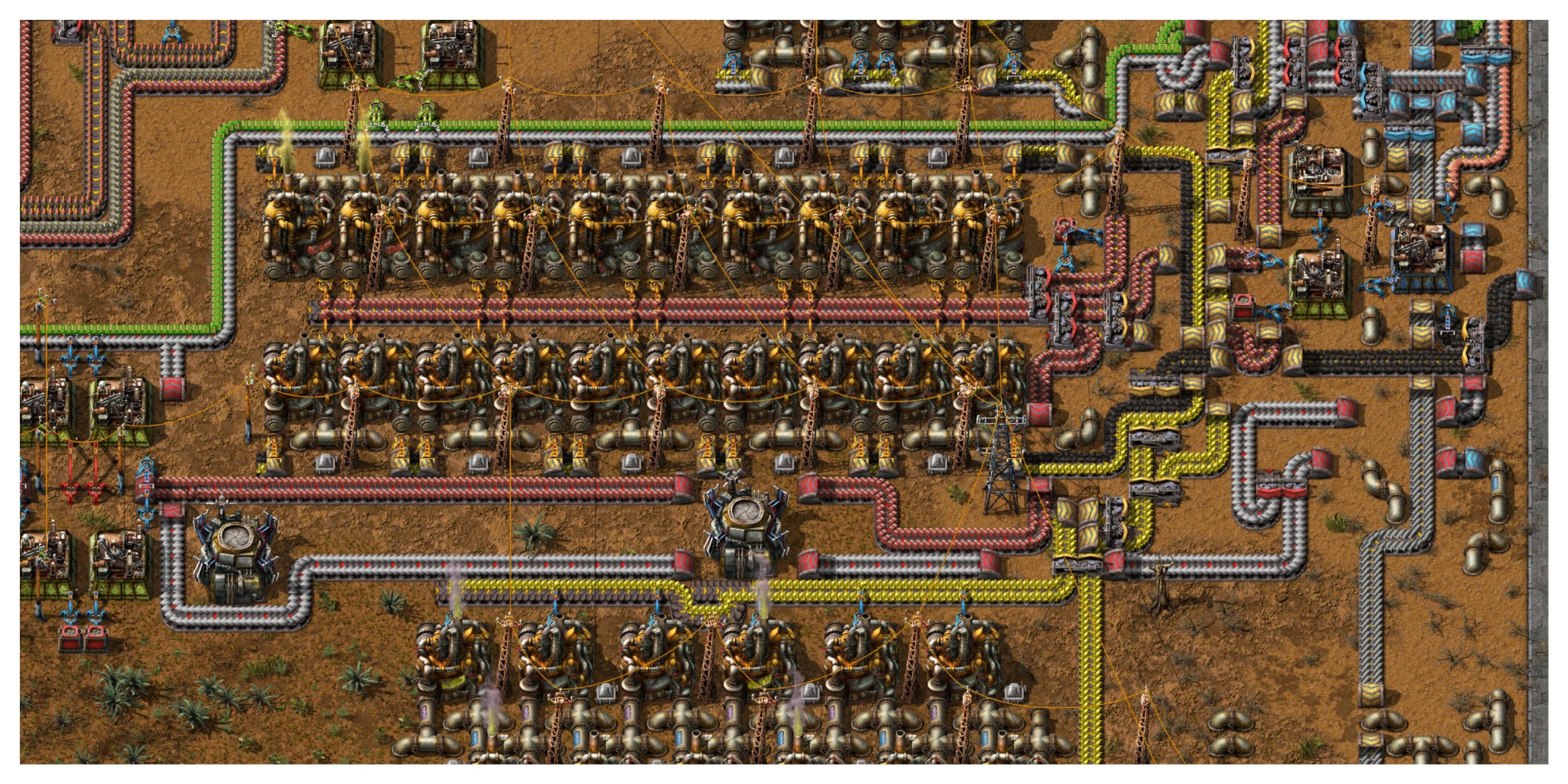
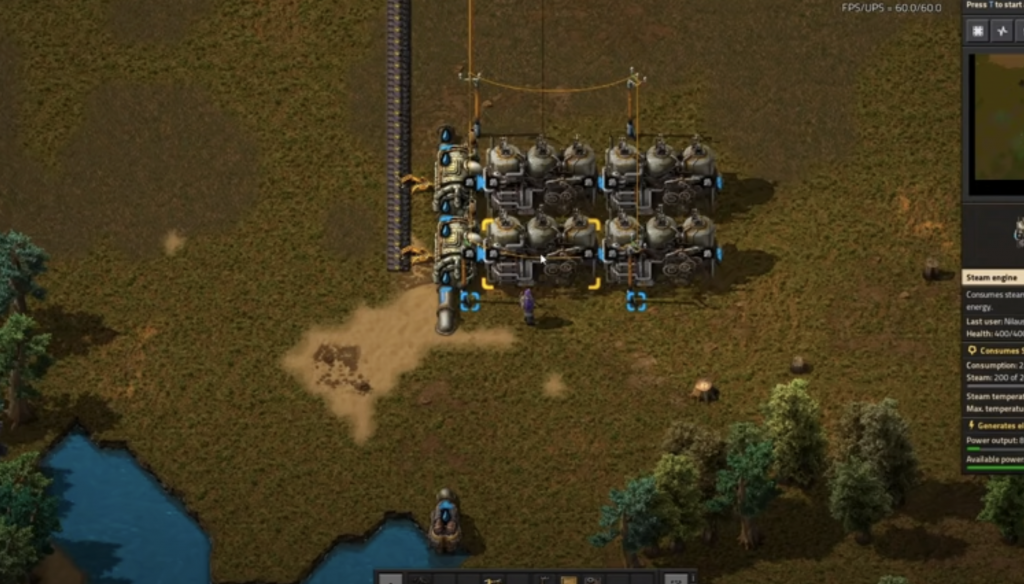
Factorio Switch 2 Edition Review What S It Like Sequence 01.00 03 23 58.Still003 . Factorio Switch 2 Review Nintendo Insider Factorio Nintendo Switch 2 Edition Review Screenshot 3 1600x900 . Top 10 Factorio Best Blueprints Gamers Decide Image5 . How To Edit Blueprints In Factorio Mixcollage 21 Aug 2024 02 17 Pm 627 . Optimizing Factory Design For Maximum Efficiency In Factorio Screenshot 2024 05 21 At 20.59.00 1024x584
#3 Gallery factorio access control scalability
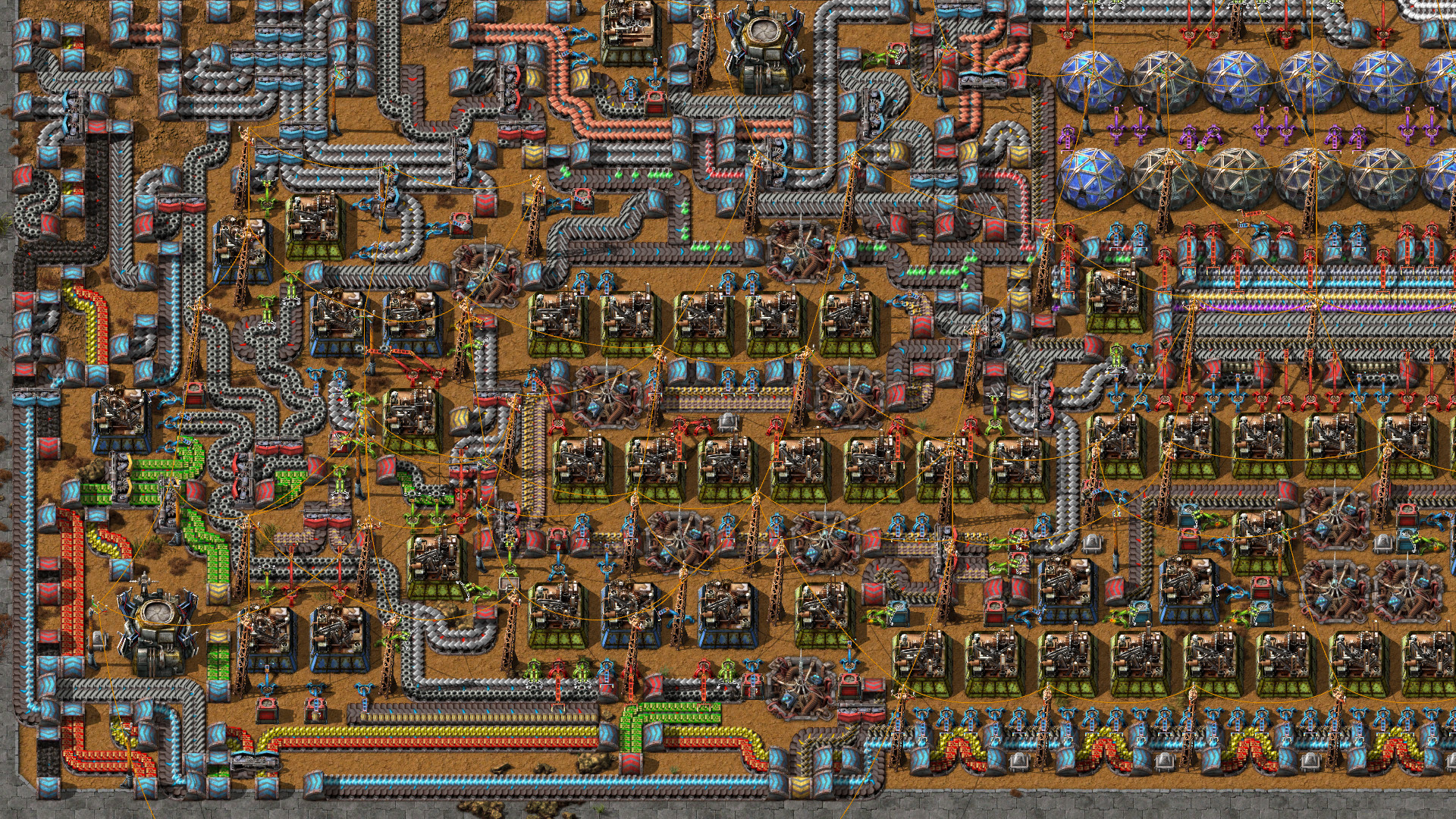

4x 2 We Love Factorio 916 . Factorio Steam Ss . Factorio Panduan Lengkap Dan Tips Bermain Untuk Pemula . Efficient Train Loading And Unloading Factorio Beginner Guide . Factorio Roadmap 2026 2 1 Update Space Age Support And What S Next Fact1 Resized Xwrkom.webp
#4 Gallery factorio access control scalability

Becoming A Remote Operator Factorio Space Age Ep11 Tutorial . Factorio Codex OUKTtcqj . How To Edit Blueprints In Factorio Copy Of Revered Spirit Ash 8 . 10 Factorio Tips That Will Save Your First 50 Hours Image 3 . Factorio Nintendo Switch Games Nintendo
#5 Gallery factorio access control scalability

Factorio How To Use SPLITTERS 3 Ways 2026 Factorio SPLITTERS . Power Management In Factorio A Guide Screenshot 2024 05 21 At 21.00.42 768x438 . Factorio Is Getting A 5 Price Increase To Account For Inflation . How To Set Up And Use A Main Bus Design In Factorio Factorio Main Bus . Building A Safe Sustainable Spaceship In Factorio 2 0 Space Age
#6 Gallery factorio access control scalability


Vs Factorio 2026 Which Factory Builder Is Better Honest Sat12.webp. Factorio Switch 2 Review Nintendo Insider Factorio Nintendo Switch 2 Edition Review Screenshot 4 1536x864 . 10 Factorio Tips That Will Save Your First 50 Hours Image 1 . Can Tree Farms Control Pollution Chill Factorio 2 0 Space Age Ep 72 . Factorio Space Age Quiz Factorio Space Age Beginner Guide PHXXJH How To Access Factorio Space Age Expansion
#7 Gallery factorio access control scalability

Learn All About Factorio 1 Basic Controls Initial Resources YouTube . Mastering Circuit Networks In Factorio A Guide Screenshot 2024 05 21 At 21.16.47 1536x876 . Access Control Factorio Mods . Factorio Roadmap 2026 2 1 Update Space Age Support And What S Next Fac3 Resized Xkiqzr.webp. Mall Factorio 60 Raspinovki Com