Navigating the cost of a gaming PC in 2026 can feel like a boss battle in itself especially for busy adults balancing work family and life This comprehensive guide dives deep into exactly what you should expect to pay for a new gaming rig from budget friendly options to high end enthusiast setups We understand that gamers today value not just raw power but also smart spending and reliable performance without the hype With 87 of US gamers playing regularly often for over 10 hours a week and mobile gaming showing huge growth many are looking for the sweet spot where value meets enjoyment Discover how different components impact the overall cost how to prioritize upgrades and where to find the best deals to build a powerful PC that fits your lifestyle and budget We'll cover everything from essential components like GPUs and CPUs to peripherals and software ensuring you make informed decisions Whether you're upgrading an older system building from scratch or just curious about the current market prices this article provides practical actionable advice designed for real gamers seeking real solutions without breaking the bank Stay current with gaming trends and optimize your setup for both relaxation and competitive play.
Related games- How To Use Create Roblox Com Dashboard 2026 Guide
- Jays Game Today Who Won Fast Facts & Recap
- How to Watch Lightning Game Live Online 2026 Guide
- Guide Where to Buy Gaming PC Near Me 2026
- Guide Biggs Roblox Name Uncover Its Secrets
What is a reasonable budget for a solid gaming PC in 2026?
A reasonable budget for a solid gaming PC in 2026 typically falls between 1000 and 1500 USD. This range allows for components that deliver excellent 1080p or even 1440p performance in most modern titles, ensuring a smooth and enjoyable experience for several years. It balances power with value, avoiding the highest-tier costs while still offering significant graphical fidelity and processing speed. This budget usually includes a strong mid-range CPU like a Ryzen 7 or Core i7, an RTX 4070 or RX 7800 XT equivalent GPU, 32GB of DDR5 RAM, and a fast 1TB NVMe SSD.
How much does the GPU impact the overall cost of a gaming PC?
The Graphics Processing Unit, or GPU, is almost always the single most expensive component in a gaming PC, often accounting for 30-50% of the total budget. Its cost dramatically dictates the PC's gaming performance, particularly at higher resolutions and refresh rates. Investing more in a powerful GPU directly translates to better frame rates and visual quality, which is crucial for immersive gameplay, especially with recent AAA titles. When planning your cost of gaming PC, prioritize the GPU based on your desired gaming resolution and target frame rate.
Are budget gaming PCs capable of playing popular current games?
Absolutely! A budget gaming PC, typically in the 700-900 USD range, is perfectly capable of playing many popular current games at 1080p resolution with medium to high settings. Titles like Valorant, Apex Legends, Fortnite, and even some less demanding AAA games will run smoothly. While you won't be maxing out every graphic setting, these systems provide an excellent entry point into PC gaming, allowing you to enjoy the social and competitive aspects that many US gamers value.
What are the hidden costs of owning a gaming PC?
Beyond the initial hardware, hidden costs of owning a gaming PC can include a quality monitor (which can range from 150-500 USD), a comfortable keyboard and mouse (50-200 USD), a good headset for communication (30-150 USD), and a stable internet connection. Don't forget operating system licenses (Windows often 100-120 USD), game purchases, potential subscription services like Xbox Game Pass for PC, and even regular dust cleaning supplies. Factor these into your overall cost of gaming PC plan.
How important is the CPU for gaming versus the GPU?
While the GPU is often the star for rendering game visuals, the CPU plays a critical supporting role. It handles game logic, AI, physics, and background processes. For purely gaming, the GPU often has a larger impact on raw frame rates, but a weak CPU can bottleneck even a powerful GPU, leading to stuttering or inconsistent performance, especially in CPU-intensive titles or when multitasking. Aim for a balanced build where neither component significantly limits the other, optimizing your overall cost of gaming PC.
Can I use my existing monitor or peripherals for a new gaming PC?
Yes, absolutely! Reusing existing peripherals like your monitor, keyboard, mouse, and headset is a fantastic way to reduce the initial cost of a gaming PC. As long as they're in good working condition and meet your basic needs, there's no immediate pressure to upgrade them. This allows you to allocate more of your budget towards core components like the CPU and GPU, which have a more direct impact on gaming performance. You can always upgrade peripherals later when your budget allows.
What is the expected lifespan of a gaming PC before needing major upgrades?
The expected lifespan of a gaming PC, before needing major component upgrades to play new titles comfortably, is typically 3 to 5 years. While the PC itself might function for much longer, the rapid pace of hardware innovation means that after this period, you might start to see performance dips in the latest games. Strategic upgrades, particularly to the GPU, can extend this lifespan, but eventually, you'll need to consider a new build or a more extensive component refresh to keep up with demanding gaming experiences.
Hey fellow gamers! Ever found yourself scrolling through PC specs, seeing dollar signs flash, and wondering, "Exactly how much is this going to set me back?" You're not alone. For many of us, gaming is more than just a hobby—it's a crucial way to unwind after a long day, connect with friends, or even sharpen our problem-solving skills. But let's be real, balancing that passion with work, family, and life's other demands means every dollar counts. The cost of a gaming PC isn't just a number; it's an investment in your relaxation, your social life, and your digital escape. As of 2026, with about 87% of US gamers regularly diving into virtual worlds, often for 10+ hours a week, getting value for your money is more important than ever.
This month, the gaming hardware market is a dynamic place, constantly evolving with new tech and fluctuating prices. We've all heard the hype, but what we really need are practical, no-nonsense answers about what it truly costs to get a powerful, enjoyable gaming experience. This guide is built specifically for you—the busy adult gamer who wants performance without the premium price tag, and clarity over confusion. We'll break down the real cost of a gaming PC, from entry-level setups that still pack a punch to high-end rigs that conquer any title. Forget the fear of setup issues or performance bottlenecks; we're here to help you navigate the hardware jungle, find budget-friendly upgrades, and ensure your next gaming PC seamlessly integrates into your life, bringing more fun and less financial stress. Let's find your perfect rig without breaking the bank or your gaming spirit.
How Much Does a Gaming PC Cost in 2026?
The cost of a gaming PC in 2026 is a wide spectrum, largely depending on your performance goals and budget. Generally, you can categorize builds into three tiers: entry-level, mid-range, and high-end. An entry-level gaming PC typically ranges from 700 to 900 USD. This tier is perfect for casual gamers, those new to PC gaming, or players focused on esports titles at 1080p resolution. You can expect solid performance in games like Valorant, Fortnite, or Apex Legends with medium to high settings.
For a mid-range gaming PC, which is often the sweet spot for many busy adults seeking a balance between cost and performance, expect to pay between 1000 and 1500 USD. This budget allows for comfortable 1080p gaming at high to ultra settings, and often smooth 1440p gaming in many titles. This is where you get excellent value for money, capable of handling most new releases without breaking a sweat. Finally, a high-end gaming PC, built for enthusiasts, streamers, or those demanding uncompromised 4K performance, will cost upwards of 1800 to 2500+ USD. These systems push the boundaries of graphical fidelity and frame rates, but the returns diminish as the price increases.
What Factors Really Drive the Price of a Gaming PC?
Several key components disproportionately impact the overall cost of a gaming PC. Understanding these is crucial for smart budgeting. The Graphics Processing Unit (GPU) is almost always the most expensive component, often accounting for 30-50% of the total build cost. A more powerful GPU means better frame rates and higher graphical settings, directly affecting your gaming experience. For instance, an Nvidia RTX 4060 might cost around 300-400 USD, while an RTX 4090 can easily exceed 1600 USD.
Next is the Central Processing Unit (CPU). While vital, a CPU's impact on pure gaming frame rates is less pronounced than the GPU's, though it's crucial for overall system responsiveness, multitasking, and CPU-intensive games. A good gaming CPU like an Intel Core i5 or AMD Ryzen 5 is usually 200-300 USD, whereas top-tier i9 or Ryzen 9 models can be 500+ USD. Other factors include RAM (memory), where 16GB is the current sweet spot (around 50-80 USD for DDR4, 70-120 USD for DDR5), and Storage (SSD), with a 1TB NVMe SSD typically costing 70-120 USD. The motherboard, power supply, and case also contribute, but usually to a lesser extent, ranging from 100-250 USD each depending on features and quality.
Can I Build a Gaming PC on a Tight Budget and Still Have Fun?
Absolutely, building a gaming PC on a tighter budget (700-900 USD) is not only possible but highly rewarding! Many busy adult gamers prioritize enjoyment and social play over pushing ultra-high frame rates, and a budget PC delivers exactly that. The trick is smart component selection and setting realistic expectations. You'll want to focus on a value-oriented GPU like an AMD RX 6600, RX 7600, or an Nvidia RTX 3050/4050. Pair this with a capable but not cutting-edge CPU, such as an Intel Core i3 (12th/13th Gen) or AMD Ryzen 5 (5600/7500F).
For RAM, 16GB of DDR4 is perfectly fine and more cost-effective. A 500GB NVMe SSD provides fast load times for your operating system and a few key games. You might opt for a slightly older, but still reliable, motherboard and a basic, well-ventilated case. This approach allows you to comfortably play popular esports titles, many free-to-play games, and even older AAA games at 1080p with respectable frame rates. Remember, the goal is fun, and these systems provide ample opportunity for that without breaking the bank. It's about optimizing the cost of a gaming PC to fit your recreational needs.
What's the Sweet Spot for a Mid-Range Gaming PC?
For most US gamers in 2026, especially those balancing life with their passion for gaming, the mid-range (1000-1500 USD) is the ultimate sweet spot for a gaming PC. This budget strikes an excellent balance between performance, value, and longevity. You're moving beyond basic 1080p and into solid 1440p territory, often with high refresh rates, which is fantastic for immersive experiences and competitive play. This tier typically includes a robust CPU like an Intel Core i5 (13th/14th Gen) or an AMD Ryzen 7 (7000 series), providing plenty of processing power for games and light productivity tasks.
The GPU will be the star here, likely an Nvidia RTX 4070/4070 Super or an AMD RX 7700 XT/7800 XT, offering significant performance gains over entry-level cards. You can afford 32GB of faster DDR5 RAM, which is great for multitasking or more demanding games, and a 1TB NVMe SSD for ample storage and rapid load times. Motherboards and power supplies in this range offer better features and reliability. This sweet spot allows you to play virtually all modern AAA titles at high to ultra settings at 1080p, and a strong majority at 1440p, ensuring your system stays relevant for several years without immediate upgrade pressure. It's truly about getting the most gaming pleasure for a sensible cost of gaming PC.
When Should I Consider a High-End Gaming PC?
A high-end gaming PC (1800-2500+ USD) is for those who demand the absolute best in performance, visual fidelity, and future-proofing, often without significant budget constraints. You should consider this tier if:
- You primarily game at 4K resolution and want to maintain high frame rates (60+ FPS) in the most graphically demanding AAA titles.
- You are a competitive esports player who requires the absolute highest frame rates (144Hz+) even in less demanding games, ensuring no input lag or stutter.
- You plan on streaming, content creation, or video editing alongside gaming, as high-end CPUs and GPUs excel in these multithreaded and rendering tasks.
- You're an enthusiast who simply wants the latest and greatest technology, willing to pay a premium for top-tier components like an Nvidia RTX 4080/4090 or AMD RX 7900 XTX, paired with an Intel Core i7/i9 or AMD Ryzen 7/9 CPU.
- You're diving into VR gaming with high-resolution headsets that require immense graphical horsepower.
While the performance gains are undeniable, it's important to remember that the cost-to-performance ratio diminishes significantly at this level. You're paying a premium for those last few percentage points of performance. For the average gamer, the mid-range provides a better balance, but for the ultimate experience, a high-end system is unmatched, though it significantly raises the cost of a gaming PC.
Are Pre-Built Gaming PCs a Good Value Compared to Building My Own?
The landscape for pre-built gaming PCs versus building your own has shifted dramatically. Historically, building your own was almost always the cheaper and more customizable option. In 2026, thanks to increased competition among system integrators and improved supply chains, pre-built gaming PCs can offer surprisingly good value, especially during sales events. For many busy gamers, the convenience factor alone is a huge draw: no assembly stress, typically a single system warranty, and often pre-installed software and drivers means you can plug and play almost immediately.
While building still allows for ultimate control over every component and might eke out a small cost saving of 5-10% if you're meticulous, pre-builts are a very strong contender. They're excellent for those who are short on time, intimidated by the assembly process, or simply prefer the peace of mind that comes with a professionally assembled and tested machine. Look for reputable brands and read reviews, paying attention to component specifics (not just generic
Understanding the cost of a gaming PC involves evaluating components from CPU to GPU budgeting for peripherals and considering long term upgrade paths. US gamers often seek value performance and balance with life. This guide offers practical advice for various budgets identifying essential vs luxury items and helping navigate market trends to build or upgrade a gaming rig efficiently without overspending or sacrificing experience.
35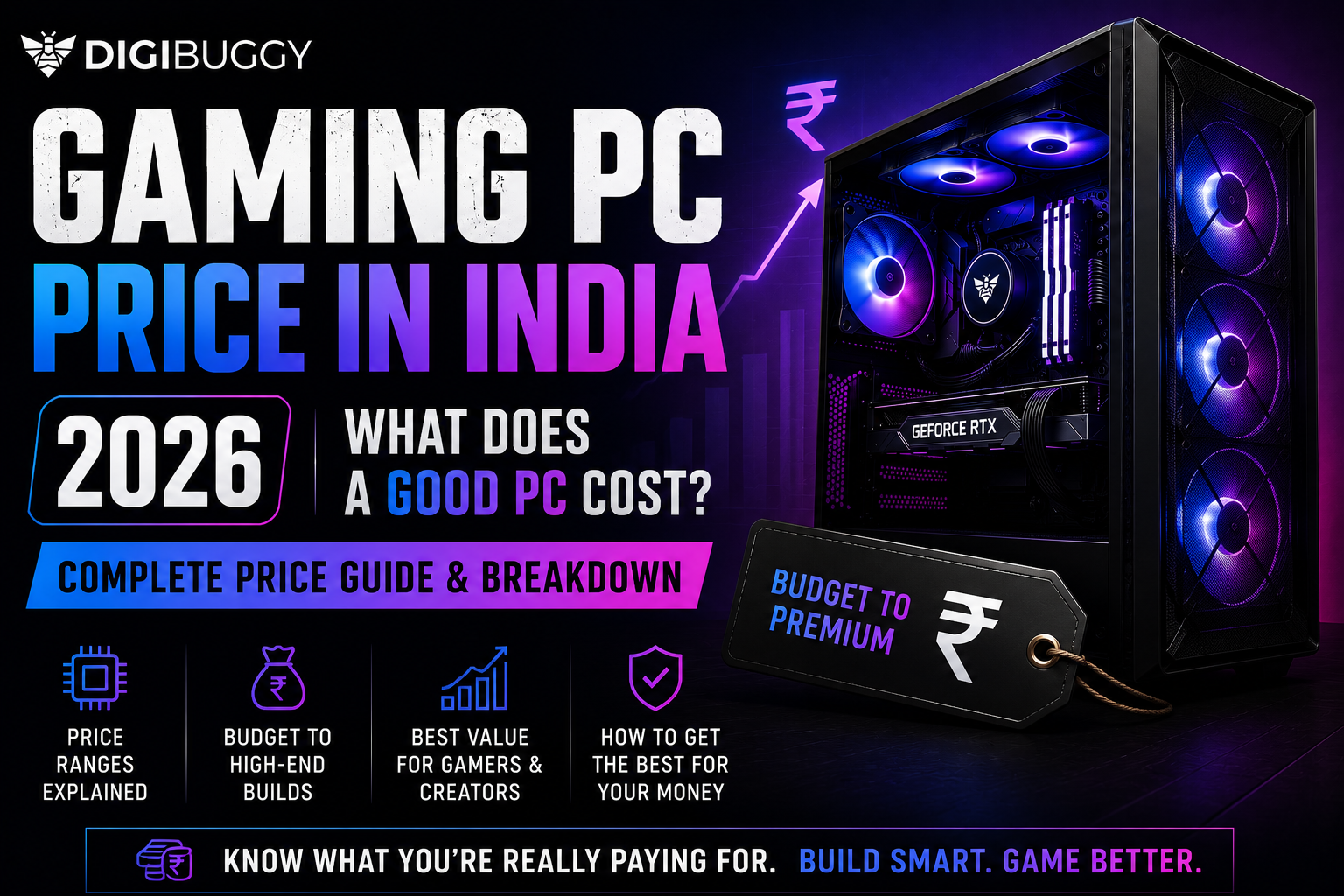


Gaming PC Price In India 2026 What Does A Good PC Cost . R15 000 Gaming PC Guide 2026 R15 000 Gaming Pc Sa 2026 Banner.webp. Why Desktop PC Prices Are Rising In 2026 And How To Still Get A Good Deal New Year Desktop PC Deals 2026 Main . Top 10 Best Desktop Computers 2026 For Home Office And Work Lenovo Legion Tower 7i 2026 High Performance Desktop Computer With RGB Lighting Featured In. Best Prebuilt Gaming PC 2026 1440p 4k Budget Best Gaming PC

Best Gaming PC Under Rs 75000 In February 2026 Gaming PC Feb 55k 1 . Tech Guided Tech Guides PC Builds Hardware Reviews Best Budget Gaming PC Builds For 2026.webp. Can You Really Build The Best 500 Gaming PC The Budget Gaming Pc 2026.webp. How Much Does It Cost To Build A Gaming PC In 2026 Full Budget Guide Low Cost PC For Gaming 768x402 . Best Budget Gaming PC Build In India For 2026 Affordable Rs 30 000 Best Budget Gaming PC Build In India For 2026 854x503


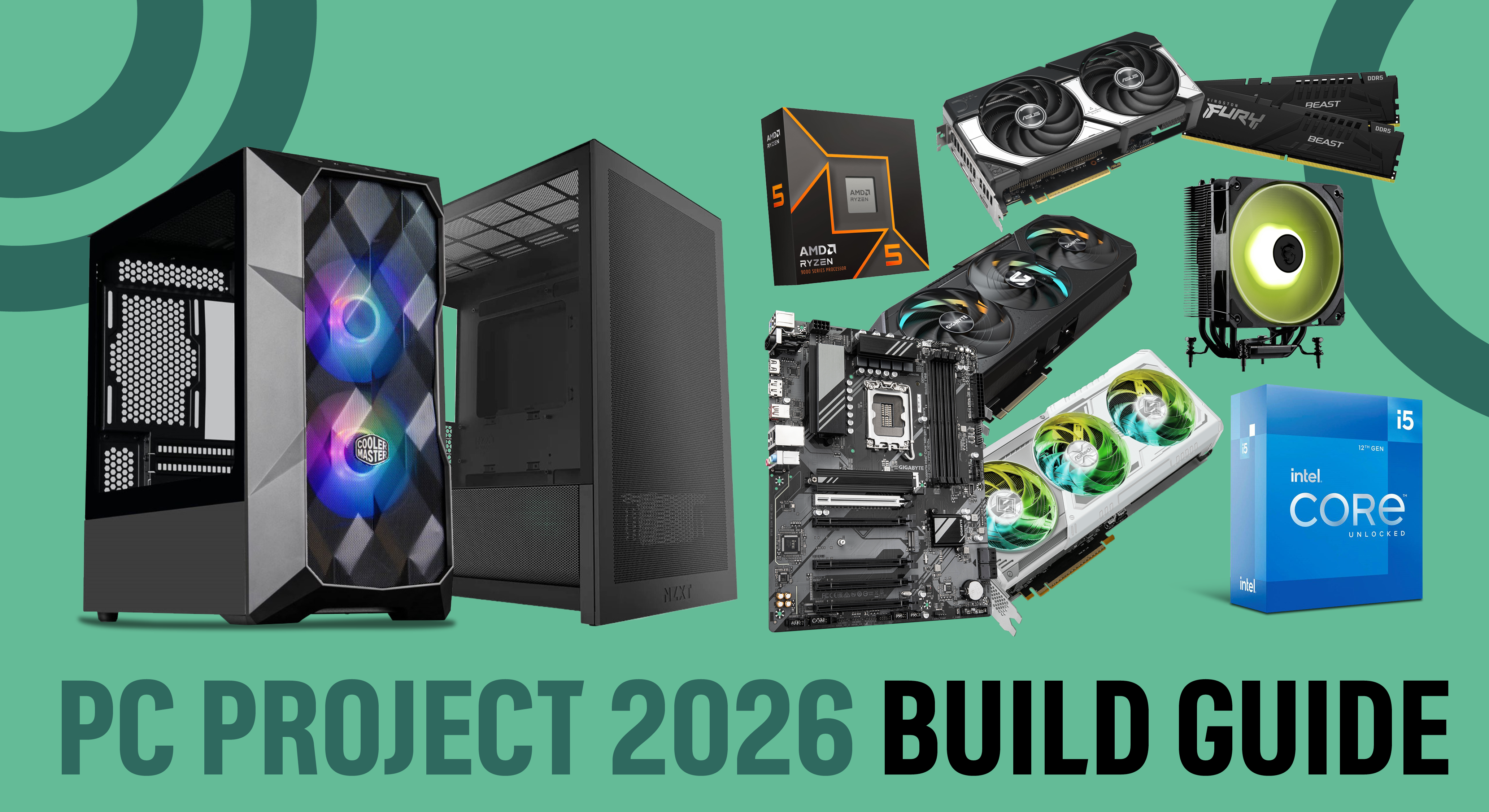
How Much For A PC Gaming Setup Cost Top 3 Gaming Laptops Of 2026 - The Ultimate Guide . Tech Guided Tech Guides PC Builds Hardware Reviews Best Gaming PC Builds For 2026.webp. The 5 Best Gaming PC Cases 2026 Which One Should You Buy YouTube . Best Budget Gaming PC Builds For 2026 500 800 . PC Project 2026 Where To Start With Building Your Own Gaming PC CCL CCL 667 BLOG BUILD GUIDE 1980x1080


Best Graphics Cards In 2026 I Ve Tested Pretty Much Every AMD And . Best Budget Gaming PC Build 2026 For Every Budget In 2026 Ranked By Image. Budget Gaming PC Build For 2026 AMD Intel Nvidia Parts And Prices. Average Cost Of A Gaming PC 2026 TheCostGuys Gaming Machine 480x270 . Why Desktop PC Prices Are Rising In 2026 And How To Still Get A Good Deal Best Gaming Desktop PC 2025 Main


The Ultimate Gaming PC Build 2026 Guide By Xidax 1 Unnamed . What Was The Top PC Gaming Experience Best PC For Gaming 2024 1024x576 . The Best Gaming PC Of 2026 Top Prebuilt Desktops Gaming Pc . Budget Gaming Pc Prices And Promotions Jun 2026 Shopee Malaysia My 11134207 820lb. Gaming PC Vs Console 2026 Which Should You Choose Gaming Pc Vs Console 2026


Best Budget Gaming PC 2026 Buy In South Africa Evetech Best Budget Gaming Pc Build 2026 980px V1.webp. What Does 1000 Actually Get You In The 2026 PC Market 1000 Dollar Gaming Pc Performance Tradeoffs 2026 . Building An Affordable Gaming PC For 2026 GeekaWhat FI DP056 Antec Flux M 9060XT 1024x576 . Best Gaming Streaming PC In 2026 High FPS Gaming PC Guru Best Gaming Pc For Under 500 Dollars Featured 800x500 . We Tracked Ram Prices In 2025 This Is What We Found And What You Screenshot 2026 01 11 At 2.27.30 AM 1536x1021


How Much Does It Cost To Build A Gaming PC In 2026. Top 5 Best Gaming Desktops Of 2026 Best Product Review Best Gaming Desktops . How To Build A Gaming PC In 2026 Complete Beginner Guide How To Build Gaming Pc 2026 768x432 . ASRock Brings Powerful And Exciting PC Upgrades To CES 2026 EnosTech Com ASRock At CES 2026 . Best Value Gaming PC 2026 Buy In South Africa Evetech Best Value Gaming Pc South Africa 2026 980px V1.webp